A figure that depends on where the cracks stop
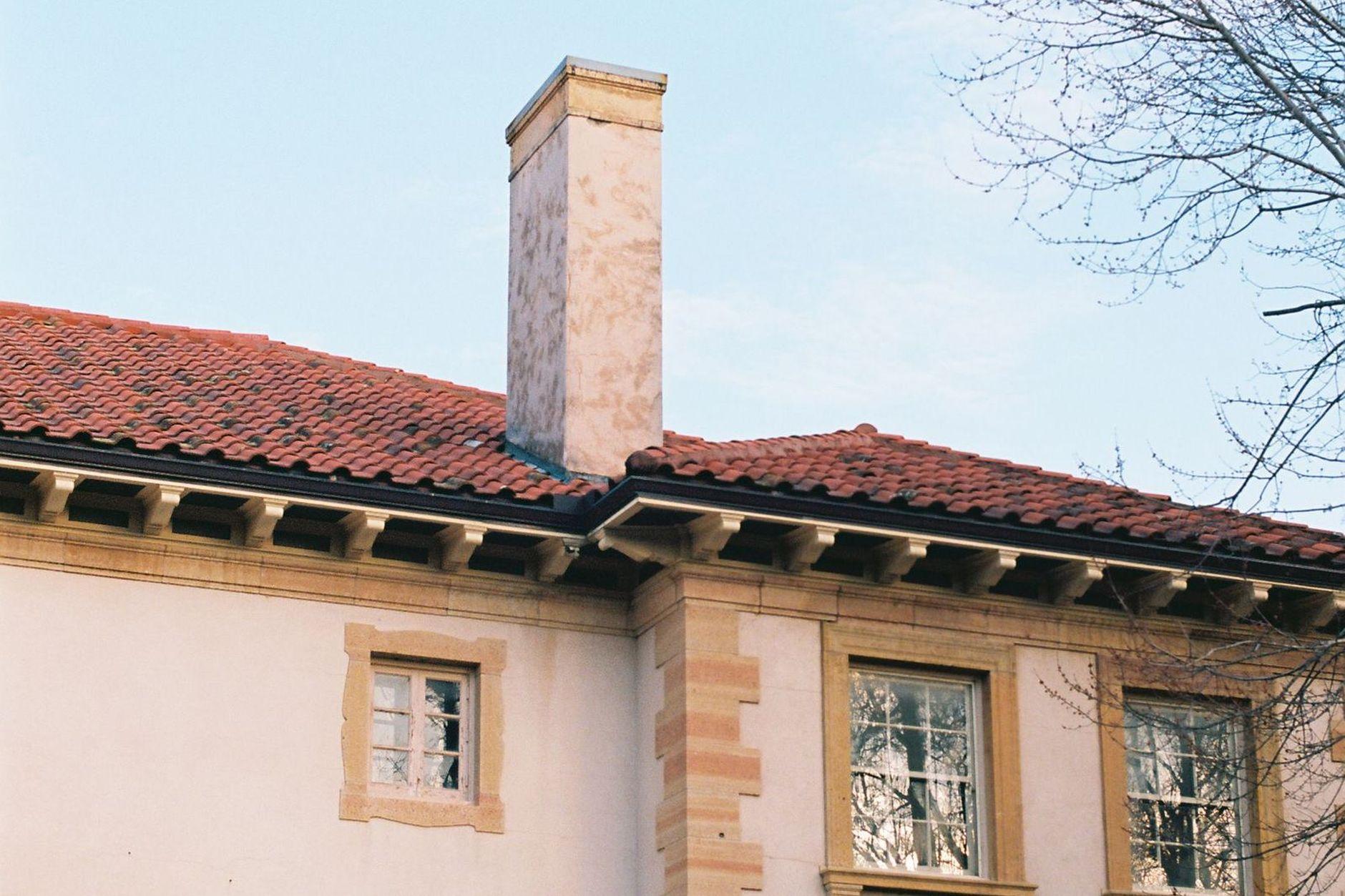
A brick chimney is the one part of a house that cannot bend. When the ground moves, the wood frame flexes and settles back, while the stack beside it rocks on its own and breaks where it is weakest, usually in the mortar joints a few courses above the shingles. That is why two rebuilds on the same Norwalk street can land thousands of dollars apart: one stack is loose for three feet, the other has cracks that run down past the ceiling.
Fleming Chimney Company does not publish one rebuild number for that reason. A figure given over the phone would either pad your bill or leave out work nobody has looked at yet. What we can set out up front is what the figure is built from, and what you hold in writing before a single brick comes down.
What the number is built from
- Depth of the take-down. Every course removed is a course laid back. A stack that is loose only where it stands free above the roof costs far less than one cracked through inside the attic, where the roofing has to be opened around it.
- Height and roof access. A single story house with a gentle pitch, the shape of many Norwalk homes, lets us work from the roof itself. A second story, a steep pitch or a stack reached across a garage roof means more staging and more trips with material.
- Flues inside the stack. Some chimneys carry only the fireplace. Others also carry a vent for a water heater or an old wall heater. Each tile run has to go back straight and stay apart from its neighbor, which adds hours.
- The top. A rebuilt stack gets a new crown and new metal where it meets the roof, and most get a cap. An installed cap is quoted after we measure, by size and metal. The crown and roof metal sit inside the rebuild scope.
- Brick and mortar. Matching the old brick, reclaimed or new, and a mortar soft enough to live beside it.
- What you plan to burn. If wood fires are over and gas is coming later, the new flue may be planned around a liner, which changes the top of the job.
Partial or full: the question that swings the price
The largest swing comes from one question: is the chimney below the roof still sound? On many houses it is. Inside the house the brick is shaded, dry and boxed in by framing on several sides. Above the roof it stands alone in sun and rain and whips back and forth in every shake. That free-standing section is where most of the damage sits.
When the attic and the camera show solid brick lower down, the rebuild stays above the roof. We take the loose courses off, lay them back with reinforcing steel tied into a new crown, and reseal the roof joint. When cracks continue inside the house, or the stack has opened away from the outside wall, the work goes lower, sometimes as far as the firebox. That second case can cost several times the first, and it is the reason we look before we price.
Why the inspection comes before the figure
A rebuild quote starts with a Level 2 inspection at $385. We record video inside the flue from the smoke chamber up, which shows whether the tile is cracked or offset at the same heights as the brick outside, and we look at the chimney where it passes the attic framing. Those two views decide where the take-down stops. Without them any rebuild figure is a guess. The inspection price stays the same whatever turns up.
Ask for a rebuild visit on the quote form. Put in the address, how many stories the house has and where you see trouble: a lean, open joints above the roof, brick crumbs in the gutter. We set a time, inspect and measure, and put the rebuild figure on paper.
What the written figure lists
- The height where the take-down stops, marked on photos from the roof and the attic
- How the new section is held together: reinforcing, crown, roof metal and cap
- The brick and mortar we plan to use
- Roof patching around the stack and hauling the old brick away
- What happens if the brick proves weaker lower down than the inspection showed: we pause at that course and agree the extra work and its price with you before going on
Nothing on that list is left to a verbal promise. If a line is not on the paper, it is not in the price.
Questions Norwalk owners ask about rebuild pricing
Can the old brick go back up? Often some of it can. Sound brick is cleaned and relaid; cracked, soft or spalled brick is replaced with the closest match we can find. The paper says which.
Will my insurer pay? That is between you and the policy. What we can do is write the report and keep the photos and video dated, so an adjuster has a clear record of what we found and where.
Can the chimney just come down to the roof? Some owners who no longer use the fireplace ask for that. Removing the stack above the roof and closing the roof over it is a separate job with its own figure, and it ends wood burning in that fireplace for good.
Is a rebuild stronger than the original? A rebuilt top laid with reinforcing and a proper crown is better tied together than the unreinforced brick most older chimneys here were built with. No chimney is shake-proof, and we do not claim otherwise.
What waiting adds
A loose top does not tighten itself. Rain washes open joints a little deeper each winter, summer heat bakes them dry, and the next shake has less holding the brick in place. This part of Los Angeles County was shaken hard in 1987 and again in 1994, and active faults cross the basin under it. Brick that leaves a roofline lands on a driveway, a patio or back through the roof. A smaller rebuild now is also a cheaper one, because each course that cracks before the work starts is another course in the figure.
Further reading
- Chimney rebuilds: what the job covers on our side
- Brace, repair or rebuild: choosing between the three
- Seismic retrofit for stacks that are still sound
- Up to code repairs and their prices
A rebuild figure you can plan around begins on our contact page: tell us about the stack and we arrange a time to measure it.
Is Your Chimney Still Holding Together?
Fleming looks first at how the stack is tied to the house, then at the tile, crown and flashing, and writes up each repair with its price. We work from Norwalk across Santa Fe Springs, Lakewood, Whittier and nearby cities.