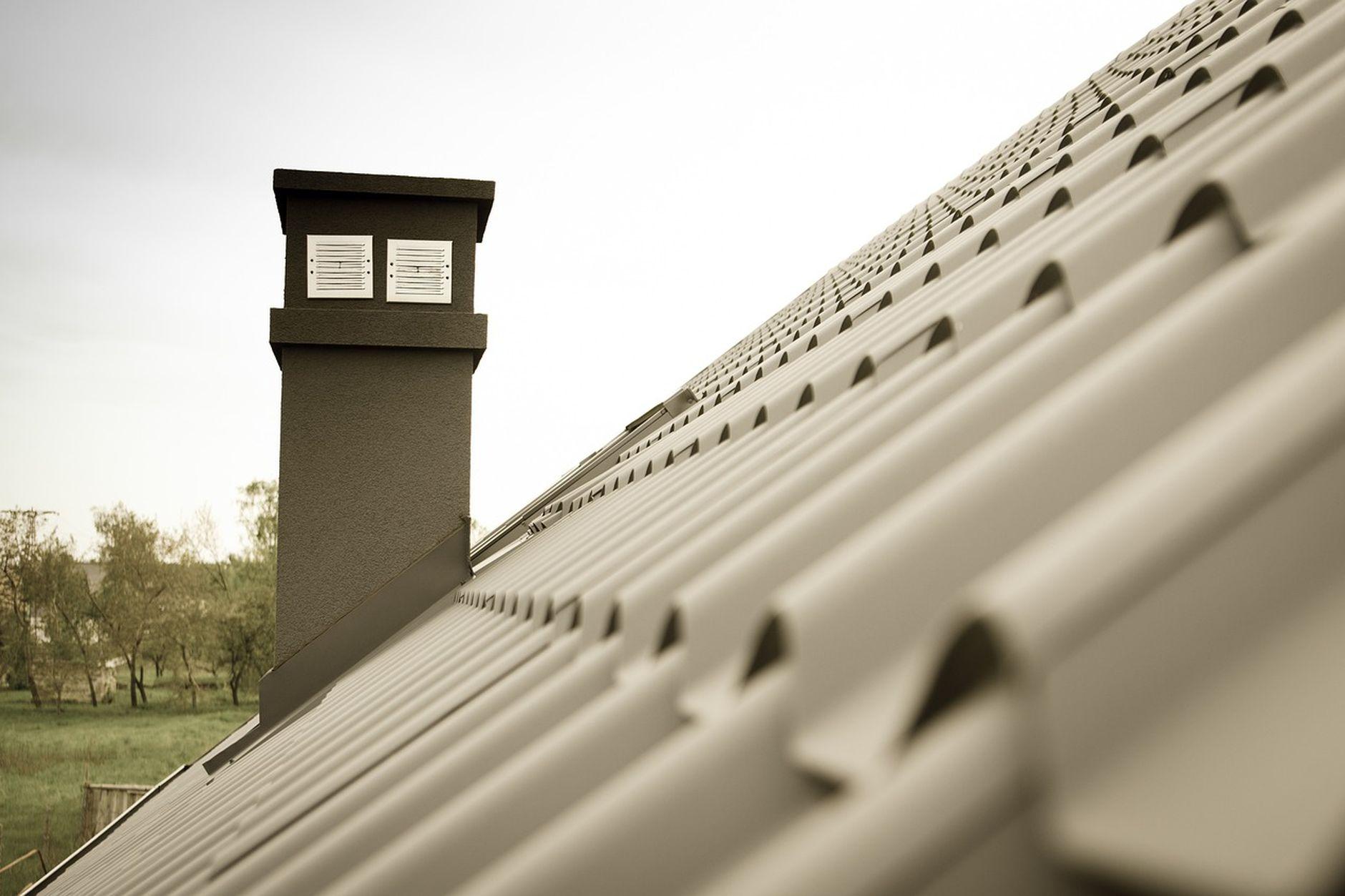
The damage a lawn view misses
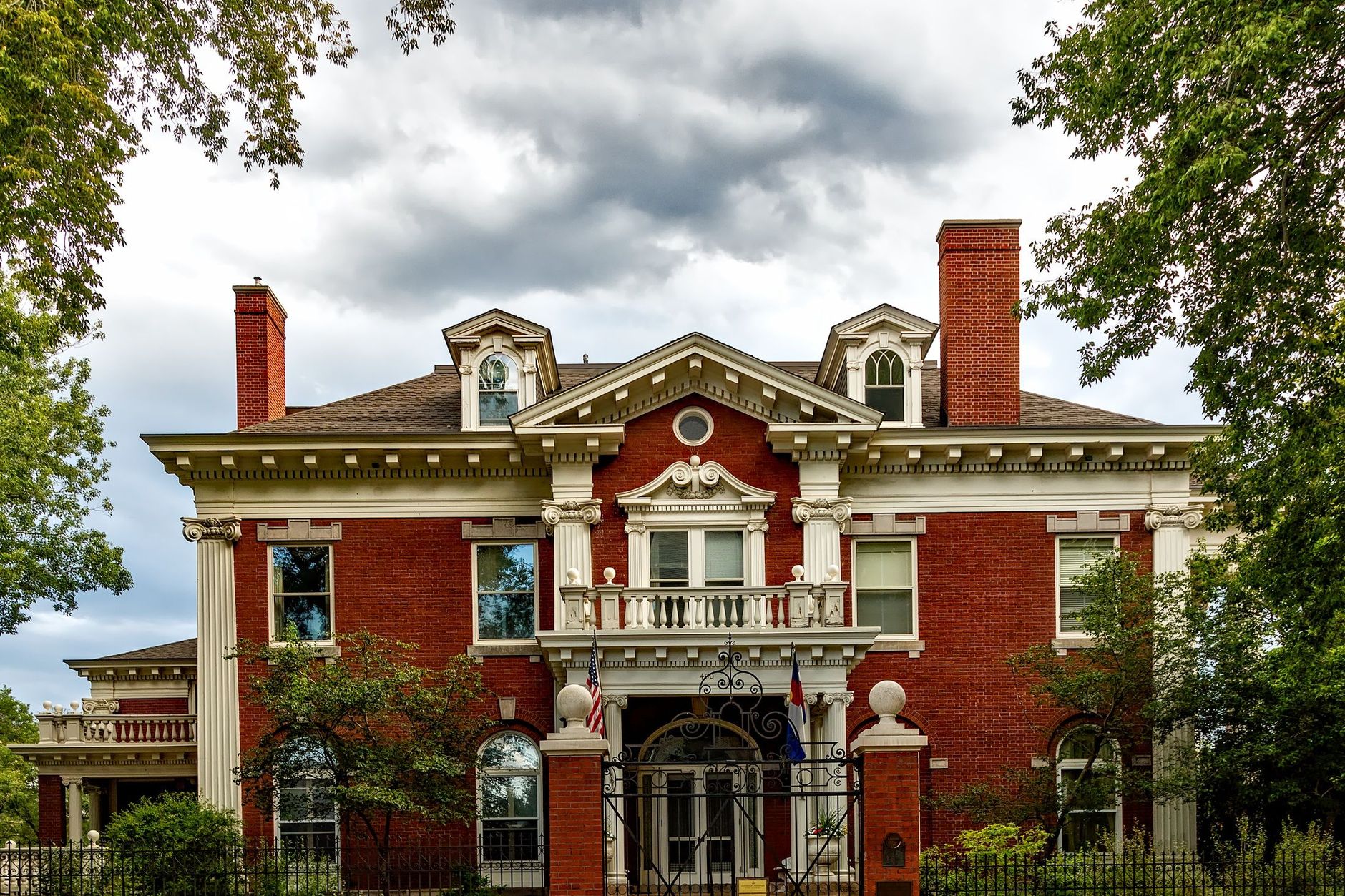
After a strong shake most owners step outside, look up, see the chimney still standing and go back in. A stack can look fine from the yard and still be broken inside. Clay flue tiles are stiff and brittle, stacked end to end with thin joints, and they sit with a little play inside the brick. When the chimney sways, the tiles knock against the brick and against each other. Joints open, corners chip, and a section can slide an inch off line. None of that shows from the street, and all of it matters, because a cracked or offset flue lets heat and smoke reach the brick and the wood framing packed around it.
NFPA 211, the standard most of the chimney trade works to, ties its deeper Level 2 check to events that may have hurt a chimney, and a strong quake is one of them. Fleming Chimney Company books that level for owners in Norwalk and the nearby cities whenever a shake is the reason for the call.
What the $385 visit takes in
- Video from inside the flue, smoke chamber to top, saved so you can watch it with us and keep a copy
- The smoke chamber and the damper area, where shaking often cracks the plaster lining
- The chimney where it passes the attic and any crawl space: cracks, gaps at the framing, scorch or soot where none belongs
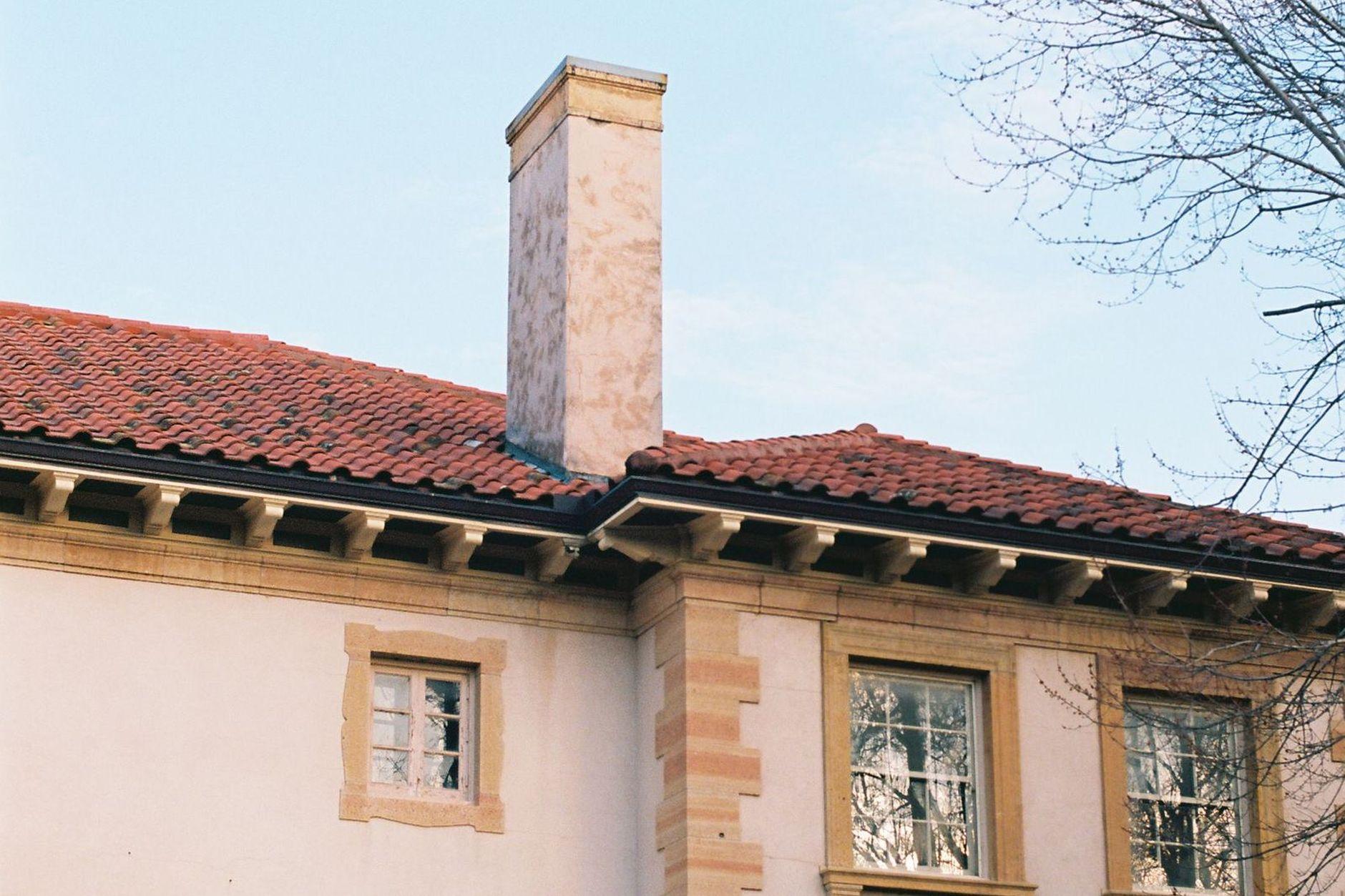
- The outside of the stack from the roof: crown, cap, roof joint and the brick above the shingles
- Whether the stack has opened away from the house wall at any height
Our Level 1, at $54, suits a chimney that has had an uneventful year and no change in use. After a shake it falls short, because the part most likely to have broken is the part a flashlight from the hearth cannot reach.
Signs that move a chimney up the list
- Brick chips or loose sand on the roof, in the gutter or on the hearth
- A new crack in the wall or ceiling beside the chimney breast
- A gap where the stack meets the stucco or siding
- A cap knocked crooked, or fresh cracks across the concrete top
- Smoke now rolling into the room from a fireplace that used to draw well
Any one of these is a reason to leave the fireplace cold, and to keep any gas appliance venting into the same chimney off, until the inside has been seen.
What decides the next step
If the shaking in your house was strong enough to throw things off shelves, a Level 2 makes sense even when the chimney shows none of the signs above. If it was a light rattle and the chimney is a newer metal flue in a framed chase, the answer may be different, and we will say so when you get in touch rather than sell you the camera.
After the inspection there are three outcomes: carry on using the fireplace, use it after a named repair, or keep it out of use until structural work is done. The report says which, finding by finding.
Book the Level 2 on the quote form. Give us the address, when you felt the shake and anything you have noticed since, even if it is nothing. We bring the camera, and the report goes to whoever you name.
What the report hands you
Each finding gets its place in the chimney, a photo or a still from the video, and what it means for using the fireplace. Where we publish a price for the fix, it sits next to the finding: tracing and fixing a leak runs $550 to $3,300. A new cap is quoted on site. Masonry, crown, liner and rebuild work carry no published price. For those the report names the work, and a written figure follows once we have measured it.
The report is plain on purpose. A buyer, a seller, an adjuster or a family member should be able to read it without calling us to translate.
Who tends to book one
- Owners who felt a shake at home and want to know the fireplace is safe before winter
- Buyers in escrow on an older house, where a quake since the last inspection makes the seller's paperwork out of date
- Landlords with tenants who use the fireplace, who want a dated record for each unit
- Owners planning a gas insert or a remodel, who would rather find cracked tile before paying for a new unit to sit on it
Each of them needs the same thing from the visit: a clear answer on whether the flue is intact, and a record they can hand to someone else. The camera video is what makes that answer more than an opinion, because anyone reading the report can see the same joints we saw.
Insurance and the paper trail
If you carry earthquake cover or plan to file a claim, dated video and photos are the record an adjuster will want. We describe what we saw and where. We do not decide what a policy pays, and we will not word a report to steer a claim either way.
Around Norwalk
Norwalk, Santa Fe Springs, Lakewood and Whittier sit on the same basin floor, and all of them felt the 1987 and 1994 quakes. The 1987 shaking was centered a short way northwest of Whittier, and older brick chimneys across this area cracked or fell. Many of the stacks still standing went through both events and were never looked at inside afterward. A first Level 2 often finds old damage as well as new, and the report separates the two where the video makes that clear.
Further reading
- Level 2 inspection: the service page
- Chimney inspection for routine years
- Chimney rebuild cost in Norwalk if the camera finds the worst
- Whittier and Norwalk area pages
Felt the ground move and want the inside of the chimney seen? The contact page is where to start, and we will set up the camera visit from there.
Is Your Chimney Still Holding Together?
Fleming looks first at how the stack is tied to the house, then at the tile, crown and flashing, and writes up each repair with its price. We work from Norwalk across Santa Fe Springs, Lakewood, Whittier and nearby cities.