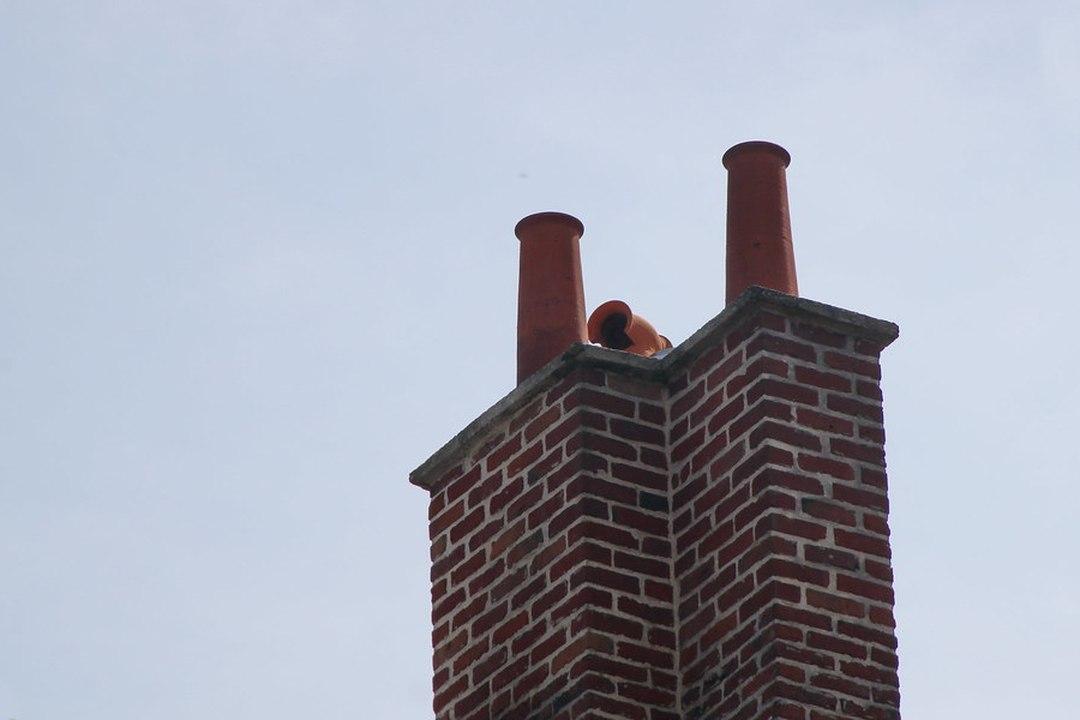
The lid takes every hit first
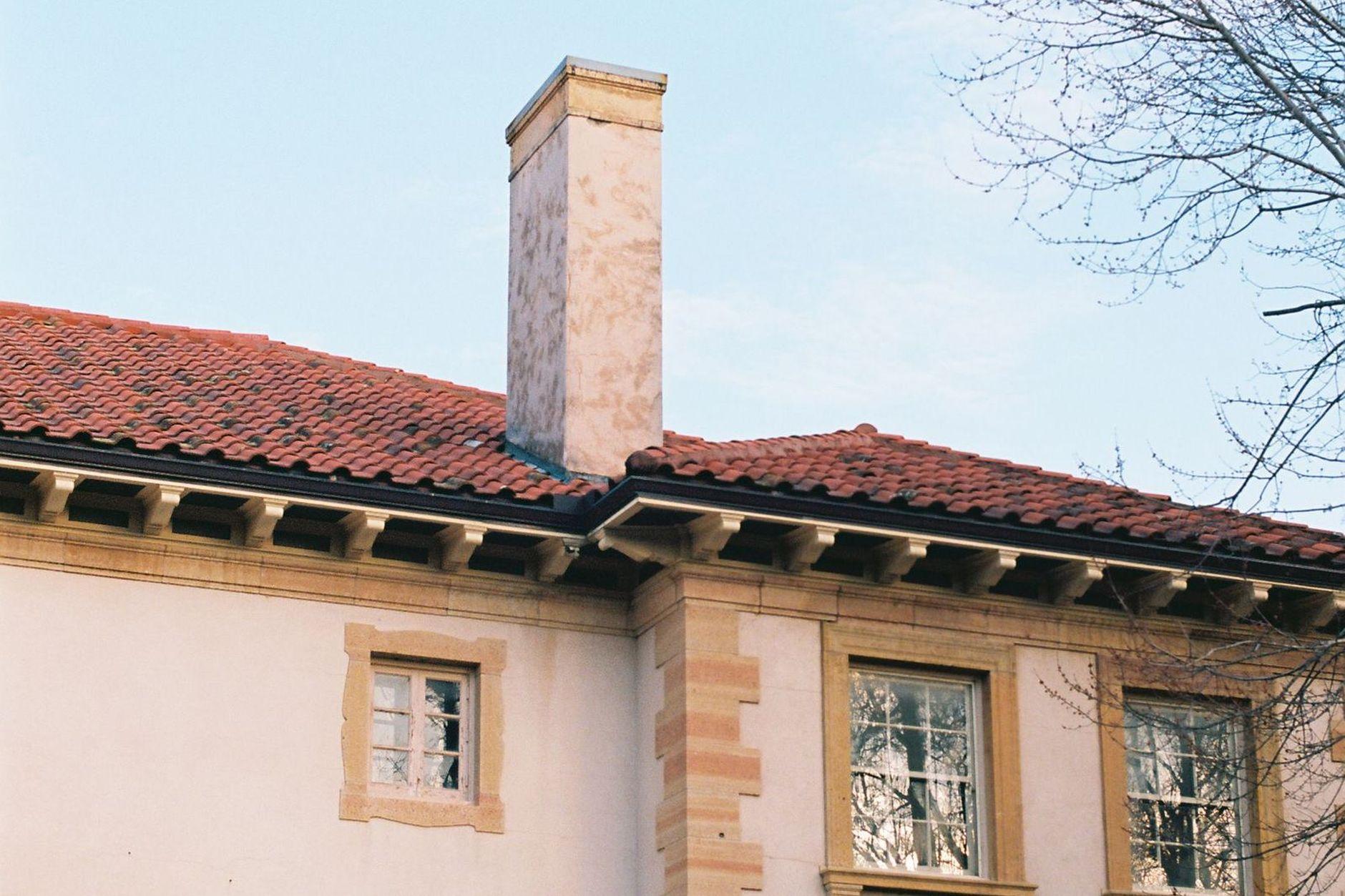
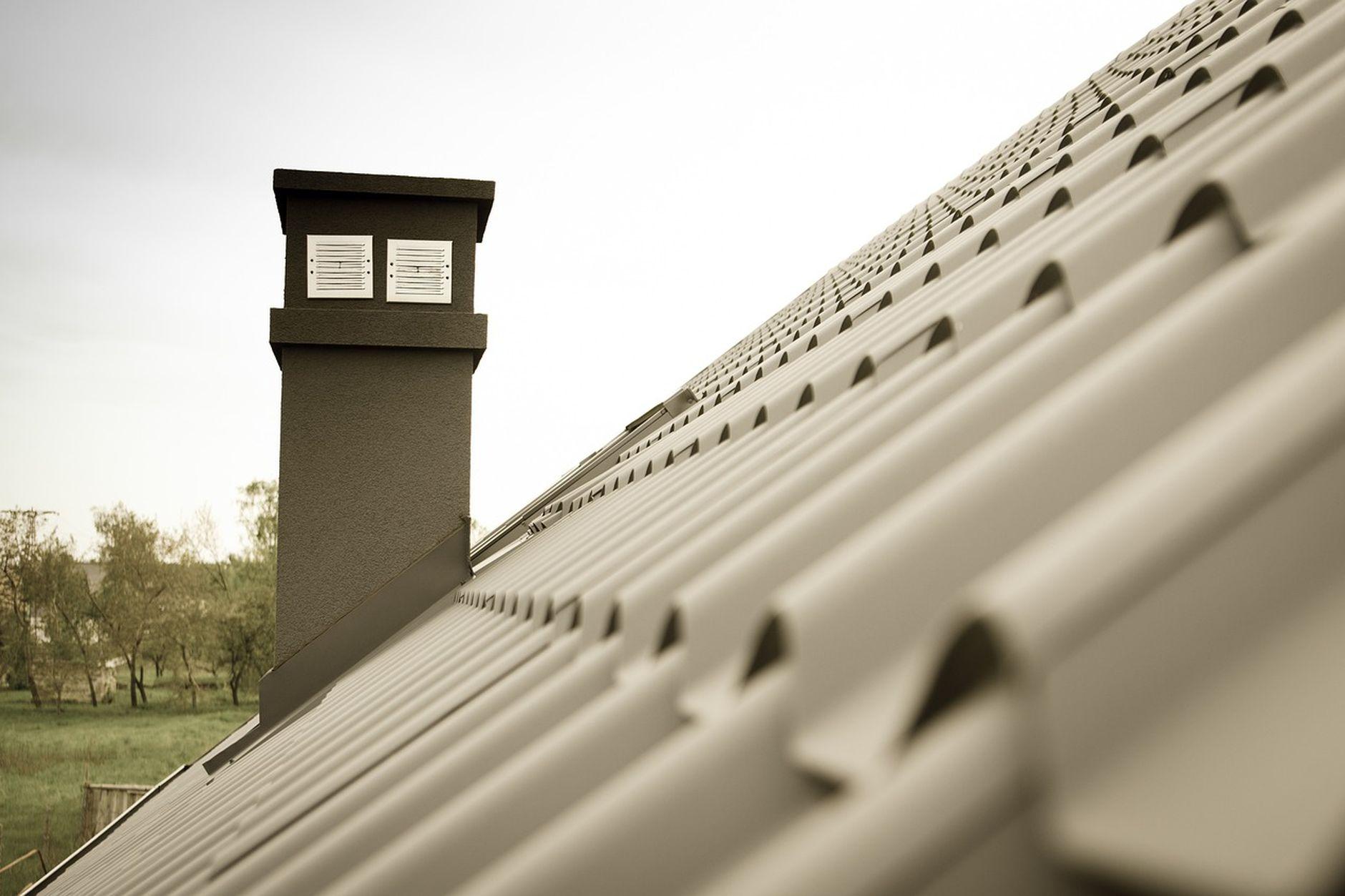
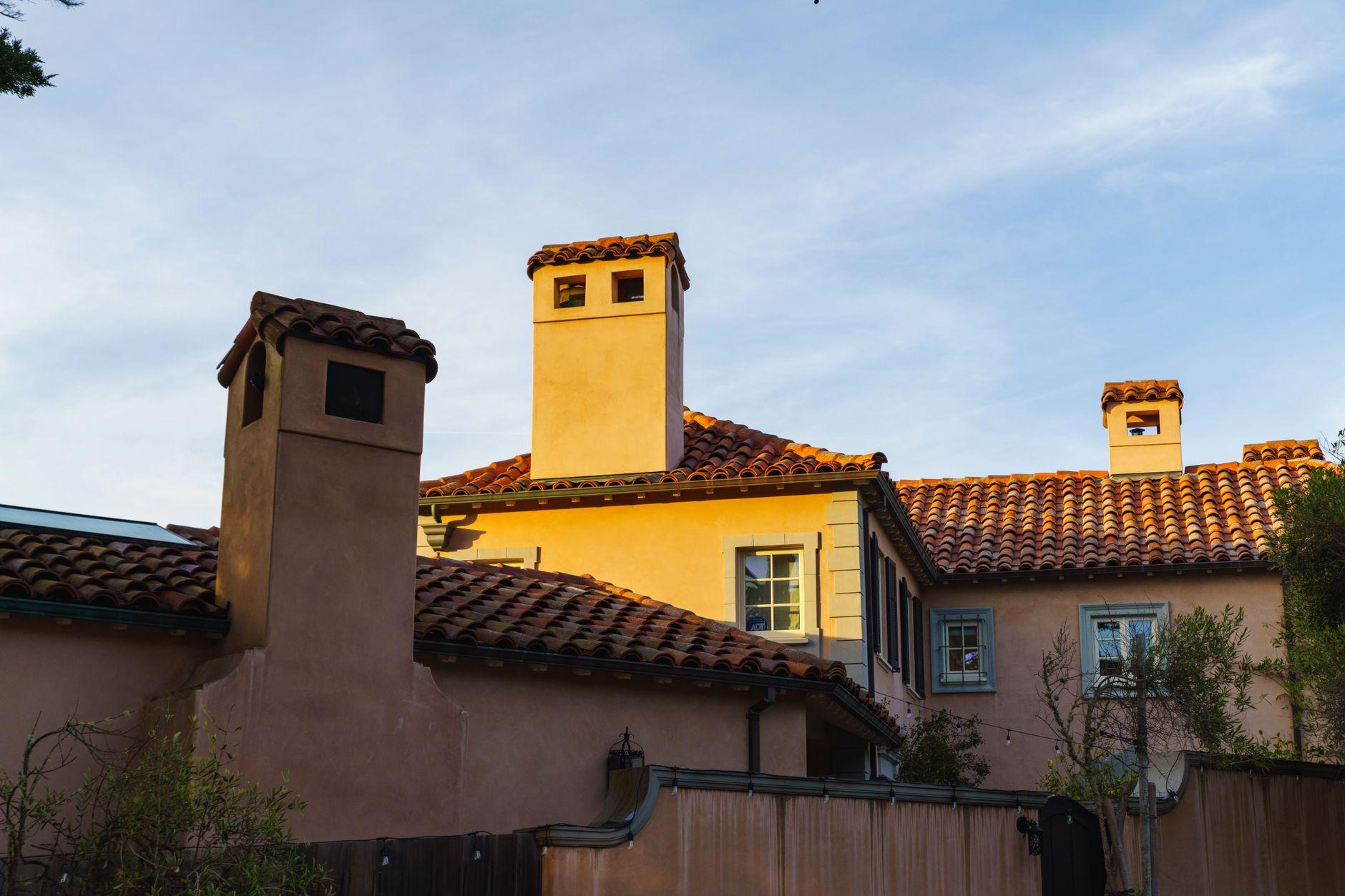
Picture the top of a brick chimney as a lid. It is a slab of concrete or mortar poured over the last course of brick, with the flue tile rising through the middle. Every rain lands on it first, every summer afternoon bakes it, and in every shake it rides at the very top of the stack, where the swaying is widest. On the older chimneys around Norwalk it is often the first part to crack and the last part anyone looks at, because from the street it is out of sight.
A cracked lid matters for two reasons. Water through it soaks the brick and joints below and reaches the flue and the firebox. And a top that has broken loose is a heavy piece of concrete sitting on brick that may also be loose, at the highest point of the house.
Why tops on this kind of chimney crack
- Shaking. The top of the stack moves furthest in a quake. A rigid slab stuck fast to brick and tile on all sides has nowhere to go and splits, usually from the tile outward to the edges.
- Heat from the flue. The tile warms and grows with every fire. A slab poured hard against it gets pushed from the inside each time.
- Thin or flat pours. Many older chimneys were finished with a shallow layer of mortar troweled flat. Water sits on it instead of running off, and it cracks and wears through sooner.
- Sun. Long summer heat followed by winter rain opens small cracks a little wider each year.
Seal or recast
The choice comes down to whether the slab is still one piece and still firmly on the brick.
When the cracks are fine, the slab is solid and sound underneath, and the brick below is dry and tight, a crown coating made for the job can close the cracks and buy years. It is the smaller job.
When the slab is cracked through, rocks when pressed, has pieces missing, or sits so flat that water stands on it, coating is money spent on something that will fail again. The slab is broken off and a new one is formed and cast in its place, shaped to throw water off and to let the tile move without cracking it.
When the brick under the slab is loose as well, the top is no longer a crown job at all. It becomes part of a partial rebuild, and the figure follows the rebuild rules instead.
What decides the figure
Crown work has no published price on our side, because three things move it more than the crack itself does: the size of the slab and how many flues pass through it, how high and steep the roof is, and what we find under the old slab once it is off. What we do publish sits close by. If water has already got in, tracing and fixing the leak runs $550 to $3,300. A new cap over the flue is quoted after we measure, and many crown jobs end with one. A Level 2 inspection, $385, is how we tell whether the cracking stops at the top or runs down the flue.
Ask for a crown quote on the form. Tell us the address, roughly how tall the chimney stands above the roof, and what made you notice: chips on the roof, rust on the damper, damp brick inside, a recent shake. We look from the roof and send the figure for sealing or recasting in writing.
What the written figure covers
- Whether we seal or recast, and why, with photos of the top
- The shape and overhang of the new slab if it is recast
- Whether the cap comes off and goes back, or is replaced
- Any brick under the slab that needs relaying, named by course
- Clean-up of the roof and the area below the stack
What waiting does
A crack that lets in a cup of water per storm becomes one that lets in a bucket. The joints under the slab wash out, the top courses loosen, and the next shake has a heavy, broken lid sitting on loose brick. At that stage the job has moved from crown repair to rebuild, and the figure has moved with it. Caught early, a cracked top is one of the cheaper structural fixes on a chimney.
There is a safety side as well. A slab that has broken free is heavy, and it sits at the highest point of the house. Strong Santa Ana gusts will not lift it, but the next quake can slide it off the brick, and the path down is the roof, the gutter or the side yard. We check whether the top is still firmly attached on every visit to the roof, whatever the reason for the visit.
Signs the top needs a look
- Small chips of concrete or grit on the roof below the stack
- Rust streaks on the damper or water in the firebox after rain
- Damp or stained brick on the chimney breast inside
- White powder on the outside brick near the top
- A cap that sits crooked, or one that rocks when the wind gets up
None of these says how bad the crack is. They say water or movement has reached a place it should not, and that the top is the first place to check.
Around Norwalk
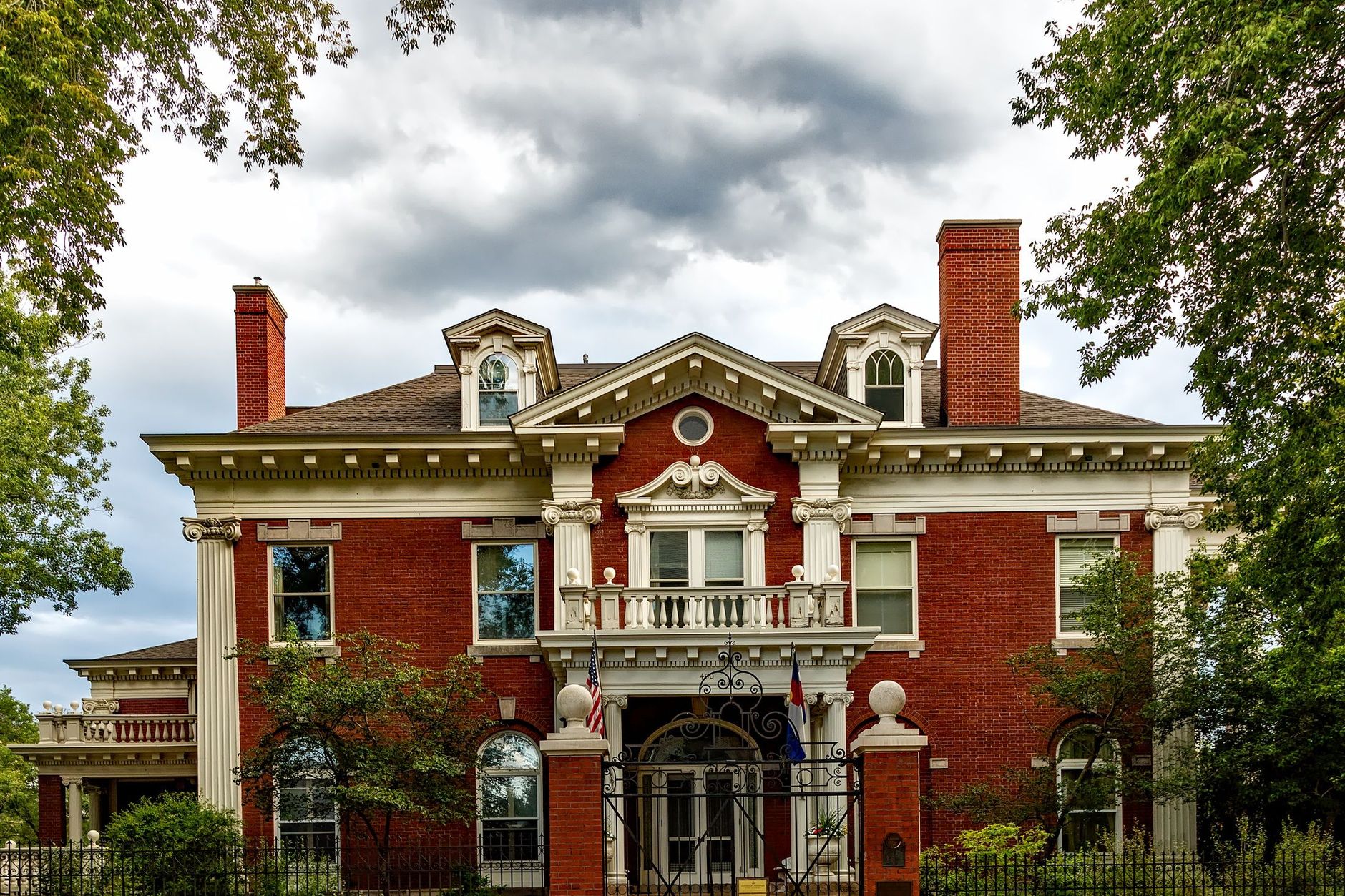
The brick chimneys in Norwalk, Santa Fe Springs and Lakewood were mostly built in a short span of years, with similar tops, and many have the same flat, thin finish. A neighbor's crown failing is a fair hint that yours is the same age and finish. A look from the roof settles it.
Further reading
A cracked top is easier to price than to ignore. Our contact page is the way in, and Fleming Chimney Company takes it from there.
Is Your Chimney Still Holding Together?
Fleming looks first at how the stack is tied to the house, then at the tile, crown and flashing, and writes up each repair with its price. We work from Norwalk across Santa Fe Springs, Lakewood, Whittier and nearby cities.